
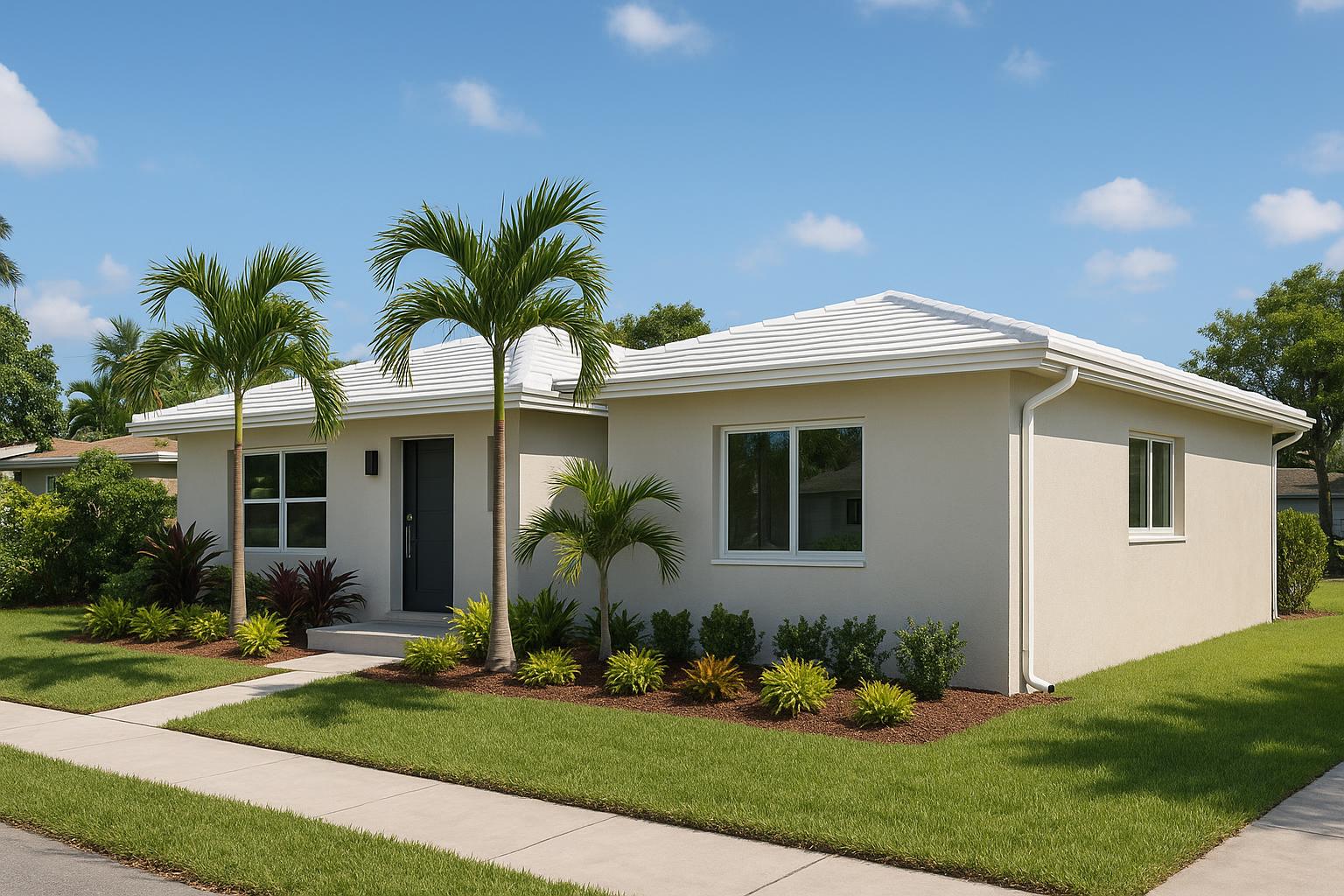
Why Miami Homeowners Are Adding Rooms Instead of Moving
Miami's real estate market has been competitive for years. Between rising home prices and the emotional cost of leaving a neighborhood you love, more homeowners are choosing to expand their current homes rather than start over somewhere new. A well-planned room addition can give you the extra space you need — whether that's a new bedroom, a home office, or an expanded living area — while adding significant value to your property.
But room additions are among the most complex remodeling projects you can take on. They involve structural work, permitting, and coordination across multiple trades. Without a clear plan, costs can spiral and timelines can stretch far beyond what you expected. Here's how to approach a room addition in Miami the right way, so you end up with a space you love and a process you can live with.
Step 1: Define Your Goals Before You Call a Contractor
Before you reach out to anyone, spend some time thinking about exactly what you need. Ask yourself:
- What problem am I solving? Do you need a guest bedroom, a playroom for the kids, or a dedicated workspace?
- How much space do I actually need? A 200-square-foot addition is a very different project from a 600-square-foot one.
- What's my realistic budget? Room additions in South Florida can range widely depending on size, finishes, and whether plumbing or HVAC is involved.
- Am I building out or building up? Expanding your footprint requires available lot space, while a second-story addition involves structural reinforcement.
Having clear answers to these questions will make every conversation with architects, designers, and contractors more productive. You'll also be less likely to change direction mid-project, which is one of the biggest drivers of cost overruns.
Step 2: Understand Miami's Permitting and Zoning Requirements
This is where many homeowners get tripped up. Miami-Dade County has specific building codes, zoning regulations, and permitting requirements that directly affect what you can build and where you can build it. Some of the key factors include:
- Setback requirements: Your addition must maintain a minimum distance from your property lines. These setbacks vary by zoning district.
- Lot coverage limits: There's a maximum percentage of your lot that can be covered by structures. If your home already takes up most of that allowance, a ground-level addition may not be feasible.
- Flood zone considerations: Many properties in Miami fall within FEMA flood zones, which can affect foundation requirements and construction methods.
- HOA restrictions: If you live in a community with a homeowners association, you'll need approval before construction begins. Some HOAs have strict rules about exterior modifications.
A reputable contractor will help you navigate these requirements, but it's smart to have a basic understanding yourself. Permit delays are one of the most common reasons room additions take longer than expected, and knowing the landscape helps you set realistic expectations from the start.
Step 3: Choose the Right Contractor for the Job
Not every remodeling company has experience with room additions. This type of project requires expertise in structural engineering, foundation work, roofing integration, and often mechanical systems like electrical, plumbing, and air conditioning. When evaluating contractors, look for:
- Verified licensing and insurance: In Florida, general contractors must hold a state-issued license. Confirm this through the Department of Business and Professional Regulation.
- Local experience: A contractor who regularly works in Miami understands the local permitting process, building codes, and climate-related construction considerations like hurricane resistance.
- A detailed written estimate: Vague bids are a red flag. You want line-item pricing that covers materials, labor, permits, and a contingency allowance.
- References and past work: Ask to see completed room additions, not just kitchen or bathroom remodels. The skill sets overlap but are not identical.
At Pioneer General Contractors, we walk homeowners through every phase of the addition process, from initial design concepts through final inspection. We've handled room additions across Miami, Kendall, Coral Gables, and surrounding areas, and we know what it takes to keep these projects on track.
Step 4: Plan for How the Addition Connects to Your Existing Home
One of the biggest challenges with a room addition is making it feel like it belongs. A poorly integrated addition can look like an afterthought — both inside and out. Here are a few things to consider:
- Roofline continuity: The new roof should blend seamlessly with the existing structure. Mismatched rooflines are one of the most visible signs of a rushed addition.
- Matching materials: Exterior finishes, window styles, and trim details should complement what's already there. This is especially important in neighborhoods like Coral Gables where architectural consistency matters.
- Interior flow: Think about how you'll move between the new space and the rest of the house. Awkward transitions or narrow hallways can undermine the whole purpose of adding space.
- HVAC capacity: Your existing air conditioning system may not be sized to handle additional square footage. In Miami's heat, this isn't something you can afford to overlook.
Step 5: Prepare Your Household for Construction
Room additions typically take anywhere from six to sixteen weeks depending on scope and complexity. During that time, you'll be living alongside an active construction site. A few tips to make it more manageable:
- Set up a temporary workspace or play area if the construction zone affects daily routines.
- Discuss the construction schedule with your contractor so you know when the noisiest work will happen.
- Keep pets and children away from the work area for safety.
- Communicate regularly with your project manager. Small questions addressed early prevent big problems later.
It's also worth talking to your neighbors. Construction noise and contractor vehicles are part of the process, and a quick heads-up goes a long way toward maintaining good relationships.
The Bottom Line: Plan Thoroughly and Build with Confidence
A room addition is one of the most rewarding investments you can make in your Miami home. It gives you the space you need without the upheaval of moving, and when done right, it increases your property's value for years to come. The key is thorough planning — understanding your goals, navigating local requirements, choosing the right team, and preparing for the realities of construction.
If you're considering a room addition in Miami, Hialeah, Doral, or anywhere in the surrounding area, Pioneer General Contractors is here to help you plan it right. Reach out to us for a consultation, and let's talk about how to turn your vision into a space that feels like it was always part of your home.